
What is Arthroplasty?
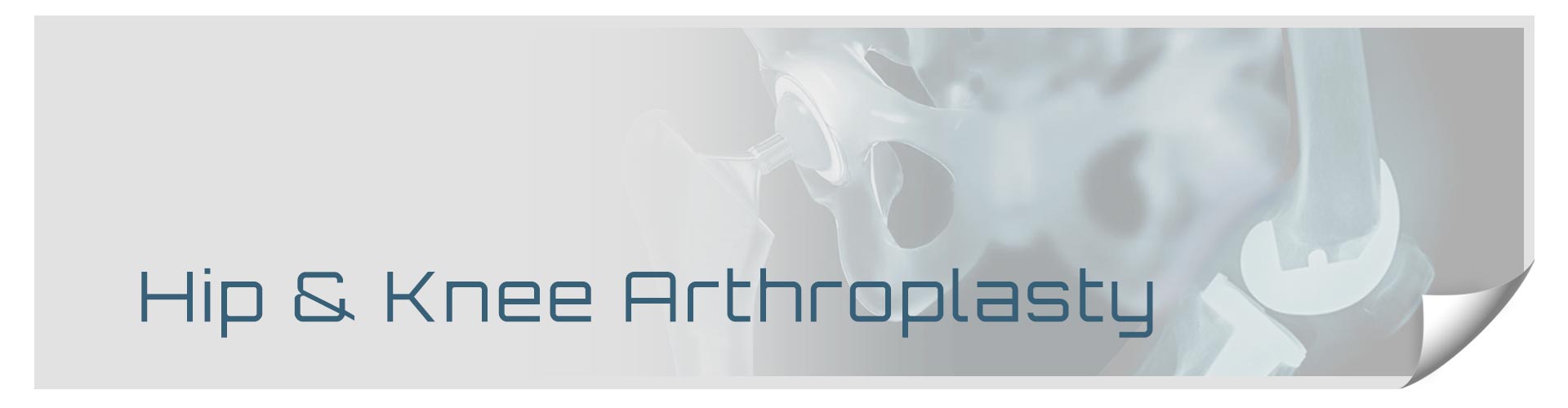
Hip and knee arthroplasty, commonly called joint replacement surgery, is a procedure where a damaged joint is replaced with a carefully designed artificial implant. This surgery is typically recommended for patients suffering from advanced arthritis, severe cartilage loss, or chronic pain that limits mobility and quality of life. The goal is to restore movement, reduce pain, and improve daily function.
read more...
Why would you need this surgery?
Hip or knee arthroplasty — or joint replacement surgery — is usually something people consider when everyday movement starts becoming a real struggle. It’s most often needed because of arthritis that’s worn down the cartilage over time, leaving the joint painful, stiff and hard to move. Old injuries, fractures, inflammatory conditions or poor blood supply to the joint can also cause long-term damage that leads to the same problem. When walking, standing up, climbing stairs or even sleeping becomes uncomfortable, and pain meds or physio just aren’t helping anymore, arthroplasty can be a way to get back to a more comfortable, active life with less pain and better movement.
read more...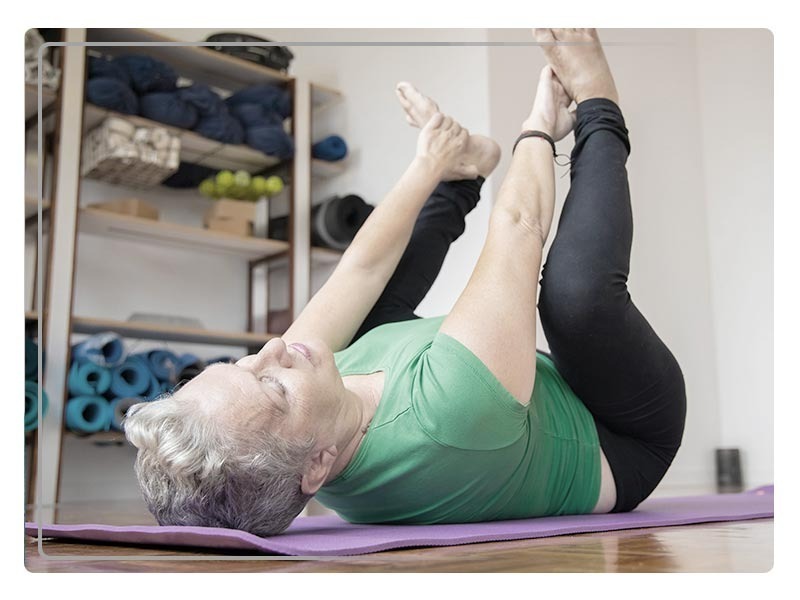
What are the benefits of Joint Replacement?
• Significant reduction or complete relief from chronic pain.
• Improved joint mobility and smoother movement.
• Increased ability to return to normal activities, work, and exercise.
• Long-term restoration of function with modern, durable implants.
read more...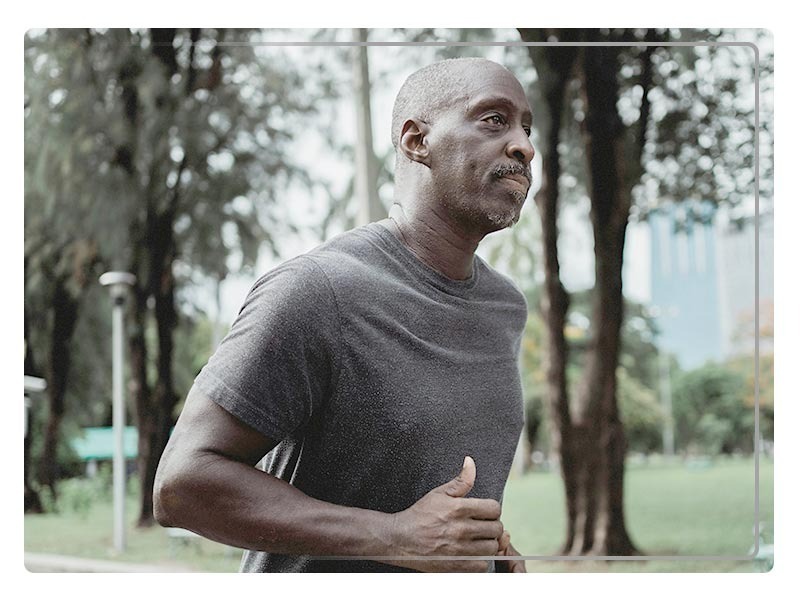
What to expect from the procedure?
The operation involves removing damaged cartilage and bone, then replacing them with a prosthetic joint tailored to your anatomy. Modern techniques focus on precision, minimally invasive approaches, and enhanced recovery pathways.
These procedures aim to restore smooth, pain-free movement by recreating the joint’s natural biomechanics. Advances in implant materials also improve durability, allowing many patients to return to daily activities with long-term function and stability.

Recovery & Rehabilitation
Recovery includes:
• Early mobilisation, often on the same or next day after surgery.
• Physiotherapy to improve strength, flexibility, and gait.
• Gradual increase in activity levels over several weeks.
• Full recovery typically ranges from 3–6 months, depending on individual progress.
Our Cape Town practice provides personalised guidance, surgical expertise, and structured rehabilitation support to ensure a successful and comfortable recovery.
read more...